
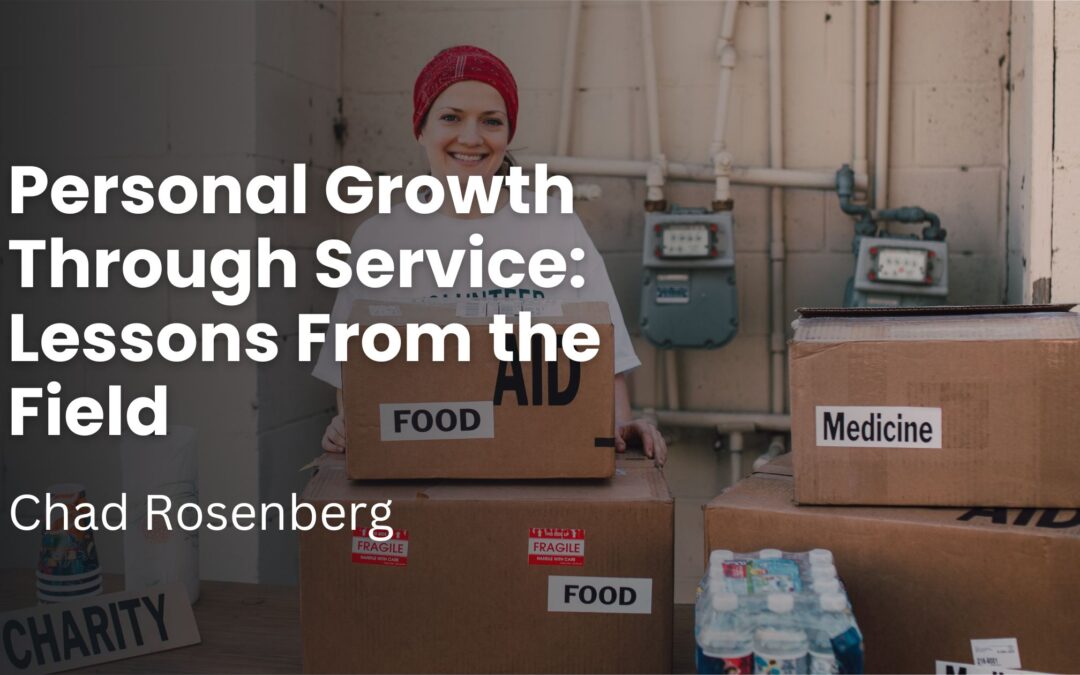
Philanthropy is often measured in dollars raised, programs launched, or lives reached. While these metrics matter, they tell only part of the story. At the heart of meaningful philanthropy lies a less tangible, yet far more powerful skill: empathy. Empathy shapes how we listen, how we lead, and how we design solutions that truly serve communities rather than simply aiming to help them.
In a world facing complex social challenges, empathy is not a “soft” skill—it is a strategic one.
Understanding Before Acting
Empathy begins with the willingness to understand experiences beyond our own. Too often, philanthropic efforts are driven by assumptions rather than insight. When solutions are designed without deep listening, they risk missing the real needs of the people they are meant to serve.
Empathetic philanthropy prioritizes understanding before action. It asks questions, listens carefully, and values lived experience as much as professional expertise. This approach ensures that initiatives are not imposed on communities but developed alongside them.
When people feel heard, they are more likely to engage, participate, and sustain change.
Shifting From Charity to Partnership
Traditional models of philanthropy can unintentionally create distance between donors and communities. Empathy helps close that gap by reframing philanthropy as a partnership rather than a transaction.
Instead of seeing communities as recipients of aid, empathy recognizes them as collaborators with knowledge, resilience, and agency. This shift fosters mutual respect and shared ownership of outcomes.
Partnership-driven philanthropy leads to more durable solutions because it builds on the strengths that already exist within communities.
Designing Solutions That Actually Work
Programs that look effective on paper can fail in practice if they ignore cultural, social, or emotional realities. Empathy provides the insight needed to design solutions that fit real lives, not ideal scenarios.
By understanding daily challenges, constraints, and motivations, philanthropic leaders can create initiatives that are accessible, relevant, and sustainable. Empathy reveals obstacles that data alone may overlook, such as trust issues, stigma, or historical trauma.
Solutions grounded in empathy are more likely to be embraced and maintained long after initial funding ends.
Building Trust Through Authentic Engagement
Trust is one of the most valuable currencies in philanthropy, and empathy is its foundation. Communities are more willing to engage with organizations that demonstrate genuine care and respect.
Empathy shows up in how leaders communicate, how feedback is received, and how mistakes are handled. Acknowledging missteps and adapting based on community input strengthens credibility and long-term relationships.
Trust cannot be rushed or demanded—it must be earned through consistent, empathetic engagement.
Strengthening Leadership and Decision-Making
Empathetic leaders make better decisions because they consider the human impact of their choices. They balance outcomes with dignity, efficiency with compassion.
In philanthropic organizations, empathy improves internal culture as well. Staff and volunteers who feel understood and supported are more motivated, resilient, and effective. This internal alignment ultimately enhances external impact.
Leadership grounded in empathy creates environments where collaboration thrives and innovation is informed by real-world needs.
Navigating Complexity With Compassion
Social challenges are rarely simple. Issues like poverty, education, housing, and health are interconnected and deeply personal. Empathy equips philanthropists to navigate this complexity without oversimplifying it.
Rather than seeking quick fixes, empathetic approaches acknowledge nuance and long-term commitment. They allow space for learning, adaptation, and growth—both for organizations and the communities they serve.
Compassion does not weaken strategy; it strengthens it by keeping people at the center of every decision.
Measuring Impact Beyond Numbers
While metrics and data are essential, empathy reminds us that impact is also human. Stories, experiences, and qualitative outcomes provide valuable insight into whether an initiative is truly making a difference.
Empathetic evaluation looks beyond outputs to understand how people’s lives have changed. It values dignity, confidence, and opportunity alongside measurable results.
This broader understanding of impact leads to more responsible and responsive philanthropy.
A Skill That Can Be Cultivated
Empathy is not an innate trait reserved for a few—it is a skill that can be developed through intentional practice. Listening more than speaking, seeking diverse perspectives, and engaging directly with communities are powerful ways to strengthen empathy.
For philanthropists, investing time in understanding lived experiences is just as important as financial investment. The return on that investment is trust, relevance, and lasting impact.
Final Thoughts
Empathy is the most powerful skill in philanthropy because it transforms intention into meaningful action. It bridges gaps, builds trust, and ensures that efforts are rooted in respect rather than assumption.
When empathy leads, philanthropy becomes more than giving—it becomes a shared journey toward stronger, more resilient communities. And in that journey, everyone involved is changed for the better.